


San Antonio businesses rely on networks the way they rely on power and water. When connectivity drops, point-of-sale stalls, phones fail over, cameras go dark, and teams lose time in the middle of a busy day. What many leaders miss is that “network safety” starts before switches and Wi-Fi. It begins in the physical layer: the pathways, cable quality, termination discipline, and grounding choices that determine how stable everything stays.
Among all of the other types of work, low voltage is one of the instances to prevent future risk completely. With clean routing, correct fire stopping, and test-backed documentation, it becomes possible to reduce outages, speed repairs, and perform audits and inspections. But it also improves the day-to-day safety in a simple way possible, such as preventing wrong part mistakes, organizing close prevent after hours’ crises, and otherwise protected path from reducing accidental damage during maintained. When the foundation is built right, the upgrades are replaced or expanded instead pitcher even as the business grows.
Safer Planning For Low-Voltage Cabling Teams
A safe build starts when low voltage cabling contractors treat pathways like critical infrastructure, not an afterthought. They plan routes that avoid pinch points, heat sources, and high-traffic areas where lifts, carts, or routine maintenance can damage runs. In larger San Antonio facilities with shared risers, that routing discipline prevents the slow decline that shows up later as “random drops.” It also keeps corridors cleaner and reduces trip hazards during busy hours.
Read More : Accelerating Digital Transformation with Expert DevOps Services
Structured planning also means matching cable types, separation distances, and termination standards to the environment. Warehouses, clinics, and office suites stress cabling in different ways, so the plan should account for vibration, dust, and frequent ceiling access. When pathways are designed for serviceability, future repairs do not require tearing open finished spaces or shutting down occupied areas. That makes the network safer in a practical sense because small fixes stay small.
Labeling and Testing That Shorten Downtime
When something breaks, the first cost is time. The second cost is disruption while teams search for the cause. A strong program creates a clear map of what was installed, where it runs, and how it terminates. When labels match diagrams and closeout files include test results, technicians can isolate faults quickly. That shortens downtime, reduces repeated ceiling access, and improves confidence during audits, insurer reviews, or security assessments later.
Testing is the step that turns “installed” into “verified.” Certification results and baseline records make future troubleshooting objective instead of argumentative. They also help IT teams plan upgrades because they can see capacity, identify bottlenecks, and confirm what can support new devices. When documentation stays current, new staff and new vendors can step in without guesswork. That lowers risk during turnover and keeps service work contained across teams and shifts.
Safer Planning for Low Voltage Cabling Paths
In many buildings, safety is tied directly to how low-voltage runs interact with life-safety systems. Low voltage installers who understand fire-rated assemblies, penetrations, and support rules help businesses avoid hidden compliance problems. Proper fire-stopping, correct hanger methods, and clean separation from electrical work reduce inspection risk and lower the chance that a cable issue becomes a wider safety concern for occupants. These details matter most during remodels and fast tenant build-outs.
A code-aware team also plans around people moving through the building while work is underway. They coordinate with facilities so work zones stay marked, corridors stay clear, and access rules are respected. That reduces accidents and prevents small incidents, like blocked egress routes or unsecured ladders, from halting operations. When safety and workmanship are built into the routine, projects feel calmer, and outcomes are easier to defend later during reviews.
Closet Discipline and Physical Security Protect Operations
Network safety is not only about signal quality. It is also about protecting the spaces where infrastructure lives. Telecom rooms that become storage closets invite trouble: blocked airflow, crushed patch cords, and accidental unplugging. Low voltage cabling contractors reduce that risk by designing racks, trays, and entry points that keep cabling organized and accessible. They also help set clear access controls so sensitive rooms are not treated like shared utility space.
Clean closets support safer change work. When patch fields are tidy and pathways are documented, technicians can make updates with less risk of taking down unrelated services. That matters in businesses running cameras, access control, and VoIP over the same backbone. A disciplined closet standard reduces cascading failures and speeds after-hours response because the right endpoint is easy to identify. It also helps facilities teams keep the room usable over time.
Wireless Performance Depends On the Cable Layer
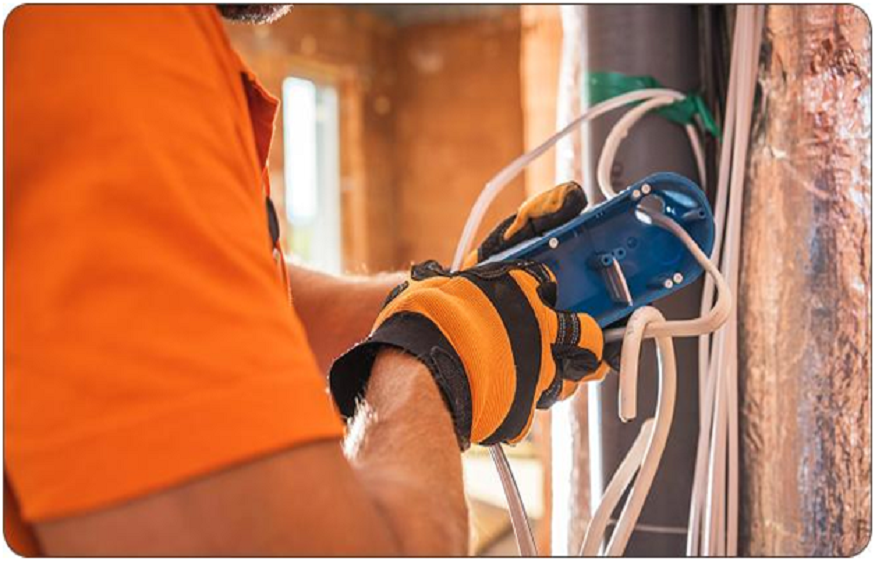
Even “wireless-first” workplaces depend on cables. Access points, cameras, and controllers still need power and backhaul, and performance depends on clean terminations and correct PoE planning. Low voltage installers who size pathways for growth and validate power budgets help prevent the pattern where Wi-Fi feels great in one wing and struggles in another.
Wireless readiness also includes flexibility for future standards and expansions. If a business adds more access points, upgrades hardware, or extends coverage to outdoor areas, the cable layer should be ready. Planning extra pathway capacity, leaving reasonable service loops, and keeping labeling consistent make expansion easier. That reduces downtime during upgrades and keeps daily operations steady while improvements are made. It also lowers the chance of rushed “band-aid” fixes later.
Practical Standards that Keep Upgrades Predictable
The safest networks are the ones that can be changed without drama. That comes from repeatable standards: consistent routing, consistent labeling, documented baselines, and clear rules for how new drops are added. When teams follow the same playbook across floors, problems are easier to spot and easier to fix. It also makes vendor handoffs smoother because expectations are clear and measurable instead of tribal knowledge in practice across the portfolio.
Owners can support this with routine checkups and simple triggers. After a remodel, a department move, or a security expansion, a targeted verification prevents drift from becoming a bigger issue. When upgrades are scheduled in planned windows, and documentation is updated as part of closeout, the network stays safer in the real-world sense: fewer emergencies, fewer surprises, and fewer costly rework cycles. Over time, that discipline becomes a competitive advantage.
Conclusion
A safer network foundation is built by treating low-voltage infrastructure as a critical system, not a background task. Thoughtful routing, code-aligned workmanship, strong labeling, and test-backed documentation reduce downtime and make issues easier to isolate. Over time, those habits protect businesses from the hidden costs of disruption, especially as buildings expand, departments move, and technology layers get more complex under day-to-day pressure. It also makes routine upgrades feel controlled instead of risky.
CMC communications supports San Antonio teams with low-voltage work that stays clean, verifiable, and easier to maintain after turnover. Their team focuses on safe pathways, code-aware installation practices, and closeout documentation that remains useful during upgrades and renovations. The result is fewer surprises, faster troubleshooting, and infrastructure that scales with confidence as business needs change, even when multiple vendors touch the site over time. It also supports cleaner budgeting decisions.
Frequently Asked Questions
Question: What does “low-voltage” include in a typical commercial building?
Answer: Low-voltage work includes structured cabling, network closets, Wi-Fi cabling, cameras, access control, and the pathways connecting them. The exact scope depends on the facility and how systems are designed to work.
Question: Why does labeling matter so much for uptime?
Answer: Labeling reduces guesswork during outages. When technicians can identify a run quickly, they avoid disconnecting the wrong service and can restore service faster with fewer ceiling opens.
Question: What causes recurring network issues in many buildings?
Answer: Common causes include bad terminations, damaged cable, messy closets, and undocumented changes. Cabling routed through high-traffic areas can also get pinched or cut, creating intermittent failures that are hard to trace.
Question: When should a business request a low-voltage audit?
Answer: Audits help after remodels, before upgrades, or when recurring issues appear in the same areas. They are also useful when a business inherits a space with unclear documentation and wants a reliable baseline.
Question: What should be included in a closeout package?
Answer: A closeout package includes as-built drawings, labeling maps, certification test results, and notes on closet layouts and pathways. Keeping files in one shared location makes future service and upgrades easier.
Read More : How to Choose the Right Revops Agency for Your Business
Question: How do closet standards improve safety and reliability?
Answer: Organized racks, protected airflow, and clear access rules reduce accidental unplugging and heat-related failures. A tidy closet makes repairs faster because endpoints and patch paths are easy to identify.