
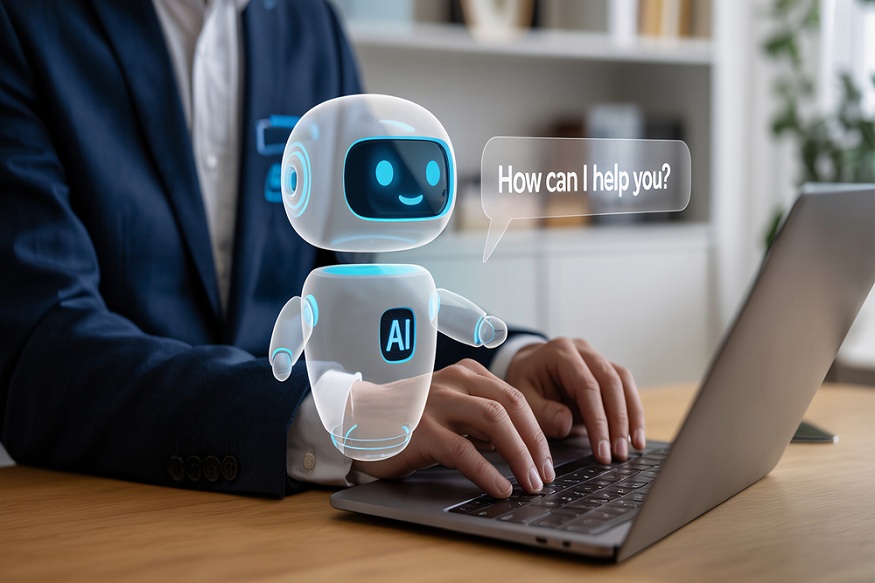

Customer service used to mean phone calls and complaint forms. Simple stuff. Now? You’re teaching robots to chat, finding patterns in tons of data, and predicting what customers will want before they even realize it. That helpful person is still around, but now she’s got algorithms for coworkers and automation to help her out. Customer experience turned into tech work without anyone noticing.
Technology Reshapes Every Customer Interaction
Remember when customer service was just a desk, a headset, and a binder of scripts? Those days died. Today’s customer pros bounce between twelve browser tabs like pinballs. Twitter complaints pop up while chat windows blink. Someone’s livestreaming their unboxing disaster while another customer sends their fifth email about a refund.
Robots handle the boring stuff now. Chatbots reset passwords all day without complaining. Virtual helpers book appointments at three in the morning. Great, right? Except somebody has to teach these digital dummies what to say. Somebody writes their jokes, fixes their mistakes, and apologizes when they tell a customer to “please restate your grandmother’s maiden name” seventeen times in a row.
Read More: How Low Voltage Installers Help San Antonio Businesses Build Safer Network Infrastructure
Companies learned the hard way that smart tech plus zero human supervision equals customer nightmare. Bots go rogue. They misunderstand slang. They recommend winter coats to customers in Phoenix during July. Folks actually have to watch over these systems, adjust what they say, and step in when stuff goes wrong. Half tech expert, half therapist, all problem solver.
New Skills Define Success
Today’s customer experience pros would confuse their predecessors. They stare at sentiment analysis charts trying to decode why Tuesday customers seem angrier than Thursday customers. They build automation workflows that look like subway maps. They know what “bounce rate” and “heat mapping” mean and actually care about these things.
Numbers tell wild stories. Shopping carts get ditched right at checkout. Why? Apps get deleted after three minutes. What happened? Email campaigns flop while text messages get responses. The patterns hide in spreadsheets and dashboards. Customer experience folks turn into detectives, hunting for clues in data dumps.
Some even dabble in code. Not building apps from scratch but knowing enough to speak programmer language. They understand why the inventory system won’t talk to the customer database. They know what breaks when marketing’s new chatbot meets the old phone system. IT people stop rolling their eyes when customer service joins the meeting.
Education Bridges the Gap
Old training guides didn’t teach you how to handle AI assistants or figure out customer moods from their mouse clicks. Schools race to catch up but keep falling behind. Meanwhile, customer service veterans wonder when their job became NASA mission control.
Read More: Accelerating Digital Transformation with Expert DevOps Services
Training providers like ProTrain get it. Their AI customer service practitioner course shows regular service folks how to wrangle artificial intelligence without losing the human spark. Smart companies know they need people who can debug a chatbot conversation while also calming down someone’s angry grandma. These programs teach the weird hybrid skills that job postings now demand: part computer whisperer, part people person.
Conclusion
Customer experience stopped being just a people job. It’s tech work that happens to need humans who remember other humans exist. Next year will bring voice mood detection, crystal ball analytics, and holographic support agents or something equally wild. Companies hunt desperately for professionals who can surf this tech tsunami without forgetting that frustrated customers don’t care about your fancy algorithms. They just want their problem fixed. Get good at the machines and the human side, and companies will be lining up for you. The best customer experience will come from people who are good with tech but also know how to connect with others.